Workflow comparison

Audio transcriber vs transcripts: choose the right workflow

An audio transcriber turns spoken recordings into organized, searchable text. A transcript is the text result itself, so the two terms describe different parts of the same process.

The verdict

The verdict: choose the workflow, not the label

The practical distinction is simple: a transcriber is the tool or process, while transcripts are the finished records. One creates the other.

  1. 1

    Start with the recording

    Upload a meeting, interview, lecture, podcast segment, or voice memo in a supported audio format.

  2. 2

    Let speech become text

    The audio transcriber identifies spoken words and structures them as readable text, with speaker or timing details when available.

  3. 3

    Use the transcript

    Review the output, find key moments, share notes, quote the recording, or turn the text into a practical follow-up.

Related guides

Compare the dimensions that matter

These related pages cover adjacent choices, from the meaning of the term to free online workflows and real transcription examples.

Side by side

Who each approach suits

The best choice depends on whether you are selecting a tool for repeated work or evaluating the text that comes out of one recording.

Audio transcriber
Transcript

What it is

Audio transcriber

A tool, service, or process that converts spoken audio into text.

Transcript

The written record produced from spoken audio.

Primary role

Audio transcriber

Creates and often organizes text from a recording.

Transcript

Stores, communicates, or supports work based on what was said.

Best starting point

Audio transcriber

A person who has an audio file and needs readable text.

Transcript

A person who already has text and needs to review or use it.

Typical task

Audio transcriber

Upload audio, process speech, then inspect the result.

Transcript

Search, edit, quote, summarize, or share the finished record.

Input required

Audio transcriber

An audio recording such as an interview, call, lecture, or memo.

Transcript

Existing text, whether generated automatically or written manually.

Quality focus

Audio transcriber

Recognition accuracy, speaker clarity, language handling, and formatting.

Transcript

Readability, completeness, editing quality, and usefulness to the reader.

Time savings

Audio transcriber

Reduces the effort needed to create a first written version.

Transcript

Reduces the effort needed to revisit and act on recorded information.

Common limitation

Audio transcriber

Unclear speech, overlap, background noise, and unusual terms can affect output.

Transcript

A transcript cannot repair missing words or errors already present in its source.

Choose by situation

A practical migration path

If you currently move between recordings and manually written notes, begin with one repeatable use case and expand only after the output fits your review habits.

Meeting organizer

You record a project meeting and need decisions, owners, and unresolved questions without replaying the full call.

Use the transcribed text as a searchable first draft, then edit the action items into your normal notes.

transcribe audio recording to text
Student or researcher

You have a lecture or interview recording and need to locate definitions, quotations, or supporting evidence.

Create text from the recording, search for important terms, and verify quotations against the original audio.

transcribe audio to text free online

Content creator

You want to turn spoken material into captions, show notes, an outline, or a reusable written draft.

Start with the generated text, preserve the speaker's meaning, and reshape it for the final audience.

audio transcriber ai

Voice-note user

You capture ideas while away from your desk and later need those thoughts in a document you can scan and organize.

Convert the memo into text, correct names or specialist terms, and move the useful ideas into your project system.

how to use audio transcriber online

Output preview

What the output looks like

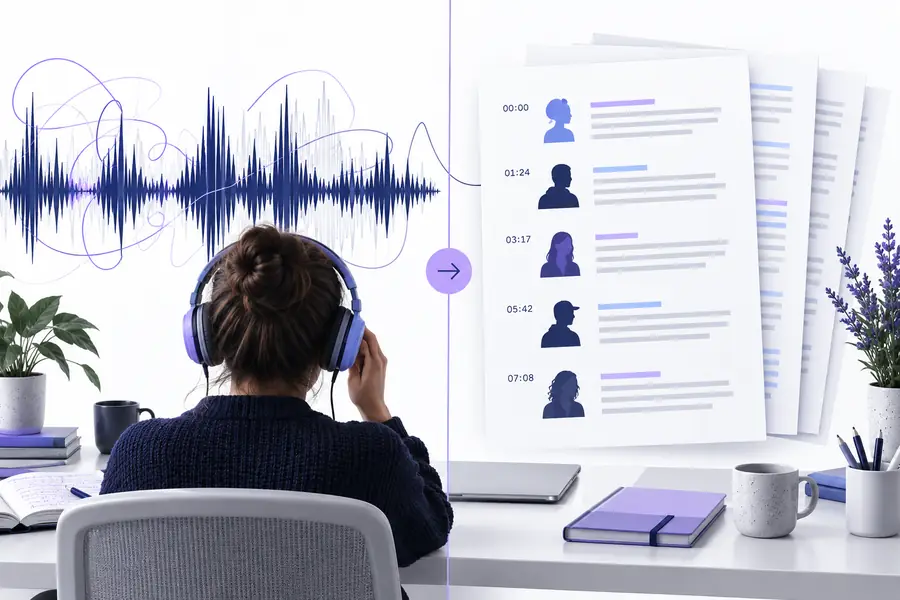
The difference becomes clearer when you compare an unprocessed recording with the usable text that follows. The transcript is not the recording; it is the working layer built from it.

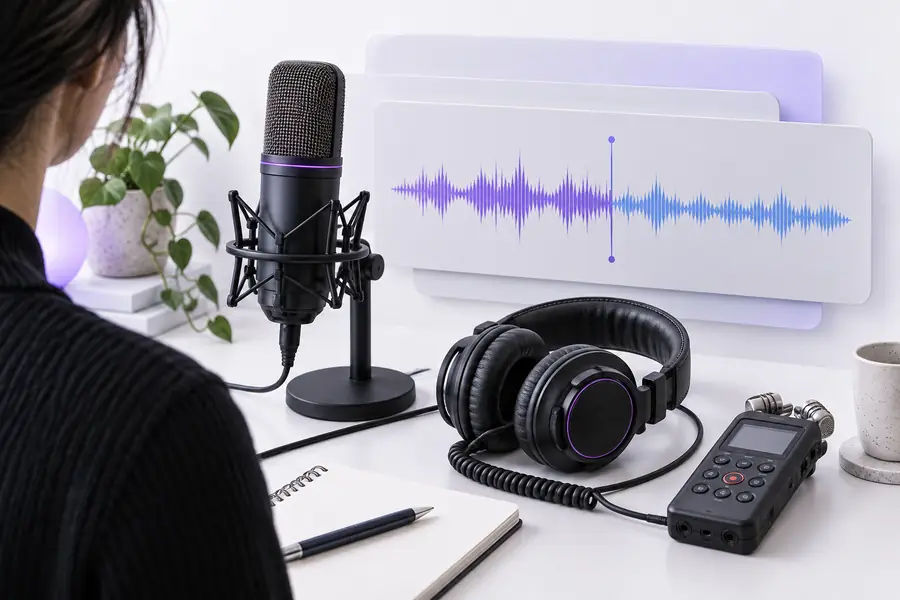
Audio recording prepared for transcription Source recording
Organized transcript from a project meeting Usable transcript
The transcript is the editable working layer.

Next step

Make the next recording easier to use

When you have recurring audio, separate the two decisions: first choose an audio transcriber that can create a useful draft, then decide how the resulting transcript should be reviewed, stored, and shared. That keeps the tool choice practical instead of treating the output format as the whole workflow. Start with one clear recording, check names and technical terms, and refine your process from there.

Try audio transcription
  • Begin with one real recording
  • Review names, numbers, and speaker changes
  • Turn the final text into notes, quotes, or follow-up

Common questions

Comparison FAQ

No. An audio transcriber is the tool or process that converts spoken audio into text. A transcript is the written result created from that recording.

They are not competing products in the usual sense. You use a transcriber to create a transcript, then use the transcript to search, edit, quote, summarize, or share the information.

It helps when important information exists in a recording but is difficult to review by listening alone. Converting speech into text makes meetings, interviews, lectures, podcasts, and voice notes easier to scan and revisit.

A transcript is best treated as a working record, especially when the recording contains noise, overlapping speakers, accents, names, numbers, or technical language. Check important quotations and decisions against the original audio before publishing or acting on them.

Usually, yes. The recording provides the source context and lets you verify uncertain passages later. Keep it when the material matters for research, documentation, compliance, publishing, or future reference.

Start transcribing
Start transcribing